Stress and Emotion Management: How to Regulate Emotions and Reduce Stress
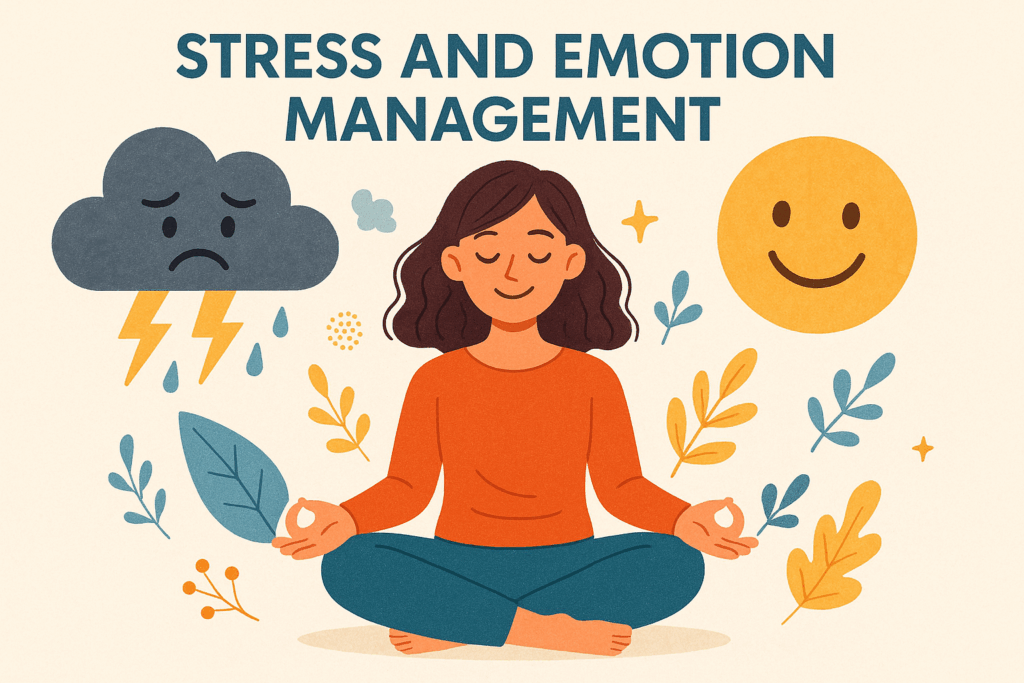
Stress and emotions are closely linked: when pressure rises, feelings intensify; when emotions go unaddressed, stress lingers. This category offers evidence-based strategies to manage stress and emotions—notice what you feel, understand why it’s happening, and respond in ways that support wellbeing. For quick physiological calming, try Breathing Exercises for Relaxation, and to improve communication and empathy as you regulate, visit Emotional Intelligence Skills.
Mental health exercises and practices
Explore practical emotional regulation skills that help you regulate rather than suppress: mindful breathing and grounding to calm the nervous system; progressive muscle relaxation to release physical tension; cognitive reframing to shift unhelpful thought patterns; and emotion labeling and journaling to clarify complex feelings. You’ll also find acceptance- and compassion-based approaches (ACT, mindfulness), brief DBT-inspired skills for emotional intensity (e.g., TIP skills, opposite action), and small behavioral steps that restore motivation and balance. Choose techniques for acute stress, lingering worry, irritability, overthinking, or emotional numbness—so you can respond with intention, not just react.

Emotional regulation is a learnable skill. Start small, practice regularly, and be curious rather than critical: noticing and naming what you feel already reduces its grip. Over time, you’ll build a personal toolkit that helps you stay within your window of tolerance, adapt to stress, and recover more quickly after tough moments. Go at your own pace, return to what works, and let these practices support a steadier, kinder relationship with yourself. If distress feels persistent or unmanageable, consider reaching out to a qualified mental health professional.
Other exercises and practics category
- Anxiety Relief: How to Calm Anxiety and Regain Control
- Body-Based Practices for Anxiety and Stress Relief
- Breathing Exercises for Anxiety and Stress Relief
- Breathing Exercises for Relaxation: Calm Anxiety and Reduce Stress
- Build Self‑Esteem: How to Improve Self‑Esteem and Confidence
- Deep Relaxation Techniques: Calm the Nervous System and Improve Sleep
- Emotional Intelligence Skills: Manage Emotions, Communicate, Build Empathy
- Intrusive Thoughts & Rumination: How to Stop Overthinking and Unhook from Loops
- Mindful Actions: How to Act with Intention and Reduce Reactivity
- Panic Attack Relief: How to Stop a Panic Attack Safely
- Resilience & Resources
- Self-Discovery: How to Clarify Values, Strengths, and Life Direction
- Self-Observation: How to Build Self-Awareness and Reduce Reactivity
- Stress and Emotion Management: How to Regulate Emotions and Reduce Stress
- Stress Awareness Exercises: How to Recognize Early Signs and Triggers
- Stress Relief: How to Reduce Stress and Restore Calm
- Therapeutic Art Exercises: Art-Based Activities for Stress Relief and Emotional Regulation