Self-Observation: How to Build Self-Awareness and Reduce Reactivity
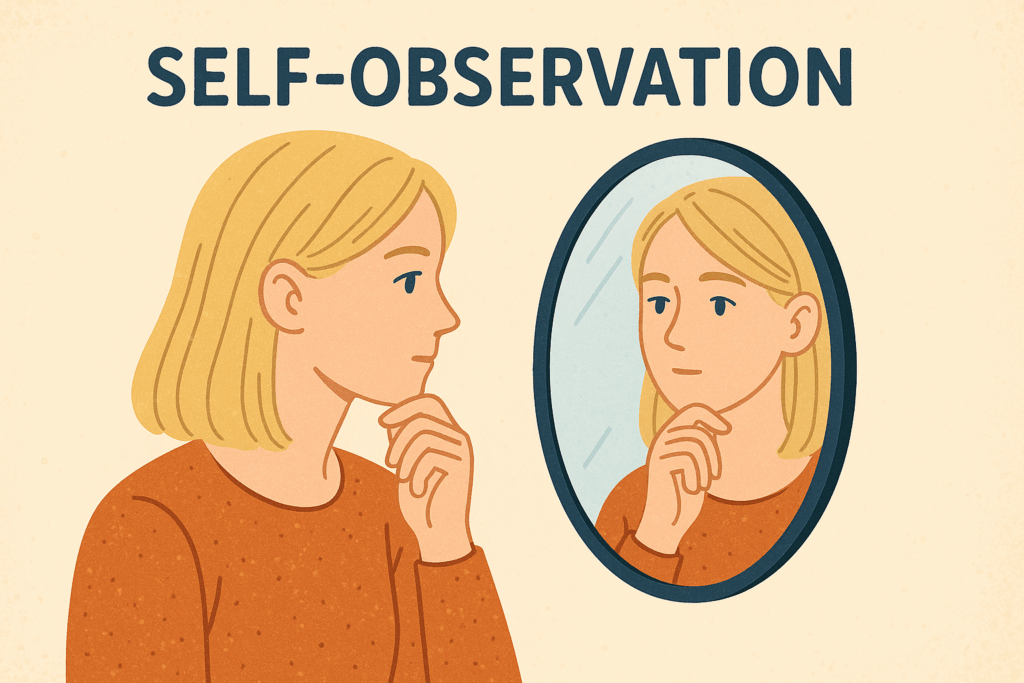
Self-observation is the skill of noticing your inner experience—sensations, thoughts, emotions, and urges—with clarity and kindness. Rather than controlling or overanalyzing, you learn to recognize patterns and early signals so you can respond with care. This category brings together evidence-based self-awareness exercises from mindfulness, CBT, and contemporary psychotherapy to help you cultivate steady, practical awareness in daily life. To map triggers and patterns, explore Stress Awareness Exercises, and to turn insight into consistent habits, visit Mindful Actions.
Mental health exercises and practices
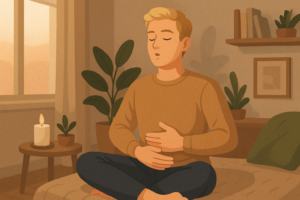
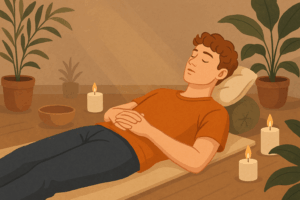
Explore practical self-awareness exercises that make observation grounded and usable. Practice brief body scans to notice tension and interoceptive cues (breath, jaw, shoulders), mental noting to label thoughts and feelings, and attention training to create a pause before acting. Learn cognitive defusion (e.g., “I’m having the thought that…”), emotion labeling to clarify what’s present, and short check-ins (0–10) to track shifts in energy, focus, and mood across the day. Use simple prompts for transitions and stressful moments, and keep a light log of what helps. Over time, these skills steady attention, reduce reactivity, and align choices with your values.
Self-observation is not self-criticism—it’s clear, compassionate seeing. Aim for curious, nonjudgmental noticing: what is present, how strong it is, where it shows up in the body, and what you need next. Keep it light and regular rather than perfect or exhaustive. If awareness practices increase distress, numbness, or trauma memories, pause and consider working with a qualified mental health professional. With steady practice, these habits support emotional regulation, focus, and more intentional action.