Panic Attack Relief: How to Stop a Panic Attack Safely
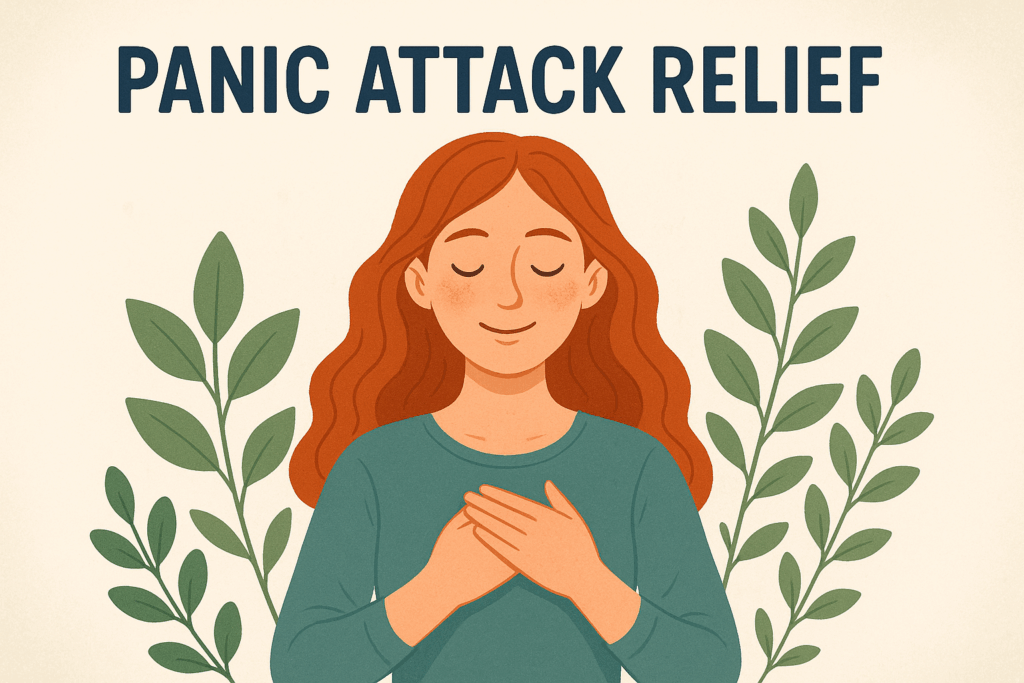
Panic attacks are sudden surges of intense fear with strong physical sensations. They feel alarming, yet they are time‑limited and not dangerous on their own. This category offers clear, evidence‑based steps to understand what’s happening in your body, calm symptoms in the moment, and rebuild confidence between episodes. For rapid physiological calming, try Breathing Exercises for Relaxation, and for broader strategies to manage ongoing anxiety, visit Anxiety Relief.
Mental health exercises and practices
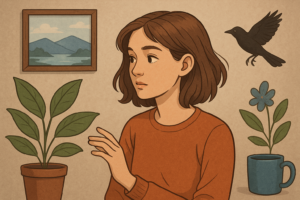
Explore simple, repeatable steps for what to do before, during, and after an episode. Learn how to stop a panic attack with grounding techniques (5‑4‑3‑2‑1), paced breathing (e.g., 4‑6 or box breathing), and the physiological sigh to reduce arousal. Use orienting to the present, loosening posture, and gentle movement to discharge tension; respond to catastrophic thoughts with balanced, compassionate statements; and create a brief personal plan for public or private settings. You’ll find discreet options for quick relief, plus routines that help prevent future panic by improving sleep, reducing baseline stress, and building tolerance for bodily sensations.
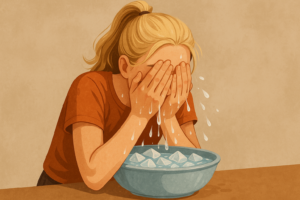
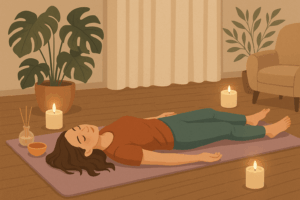
Remember that panic rises, peaks, and subsides. Move slowly, notice small improvements, and treat yourself with patience. If symptoms are new, severe, or include chest pain, shortness of breath, or fainting, seek medical care to rule out urgent conditions. If attacks are frequent or limit daily life, consider reaching out to a qualified mental health professional. With steady practice and support, evidence‑based tools can reduce fear, improve confidence, and make episodes easier to manage.
Other exercises and practics category
- Anxiety Relief: How to Calm Anxiety and Regain Control
- Body-Based Practices for Anxiety and Stress Relief
- Breathing Exercises for Anxiety and Stress Relief
- Breathing Exercises for Relaxation: Calm Anxiety and Reduce Stress
- Build Self‑Esteem: How to Improve Self‑Esteem and Confidence
- Deep Relaxation Techniques: Calm the Nervous System and Improve Sleep
- Emotional Intelligence Skills: Manage Emotions, Communicate, Build Empathy
- Intrusive Thoughts & Rumination: How to Stop Overthinking and Unhook from Loops
- Mindful Actions: How to Act with Intention and Reduce Reactivity
- Panic Attack Relief: How to Stop a Panic Attack Safely
- Resilience & Resources
- Self-Discovery: How to Clarify Values, Strengths, and Life Direction
- Self-Observation: How to Build Self-Awareness and Reduce Reactivity
- Stress and Emotion Management: How to Regulate Emotions and Reduce Stress
- Stress Awareness Exercises: How to Recognize Early Signs and Triggers
- Stress Relief: How to Reduce Stress and Restore Calm
- Therapeutic Art Exercises: Art-Based Activities for Stress Relief and Emotional Regulation