Build Self‑Esteem: How to Improve Self‑Esteem and Confidence
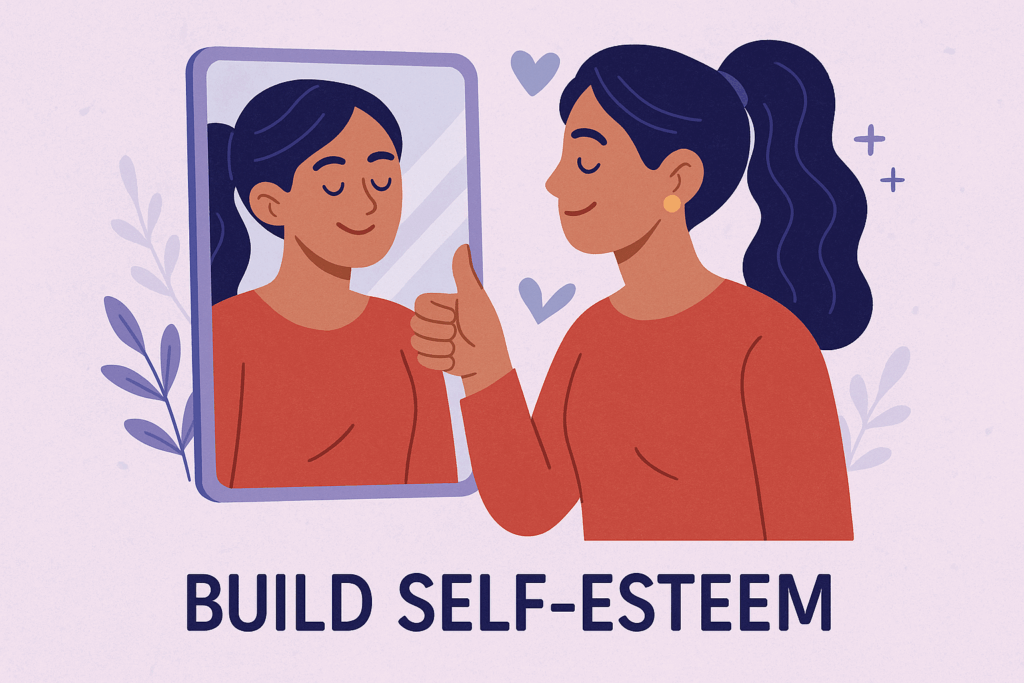
Self‑esteem is your felt sense of worth and capability—shaped by experiences, thinking habits, and how you treat yourself under stress. When it dips, evidence‑based practices can help you improve self‑esteem, quiet harsh self‑criticism, and rebuild confidence through action. To align change with what matters, explore Self‑Discovery, and to bolster coping and follow‑through, visit Resilience & Resources.
Mental health exercises and practices
Explore practical, research‑informed self‑esteem exercises: notice and reframe unhelpful self‑talk (cognitive restructuring), pair self‑compassion with healthy accountability, and set values‑based goals instead of chasing external approval. Build confidence with behavioral experiments that test limiting beliefs, keep a strengths and wins log, and reduce unhelpful social comparison. Learn assertiveness and boundary‑setting skills, practice realistic self‑appraisal that blends kindness with clarity, and use brief confidence‑building routines with mindful reflection. Each exercise offers simple steps, adaptations for different energy levels, and suggestions for integrating habits into study, work, relationships, and creative projects—so your sense of worth grows steadier, more flexible, and truly your own.



Growing self‑esteem is a process, not a single breakthrough. Start small, be consistent, and treat setbacks as feedback, not verdicts. Speak to yourself as you would to a respected friend, celebrate effort as well as outcomes, and let actions reflect your values. If low self‑worth is persistent, linked to trauma, depression, or significant anxiety, consider reaching out to a qualified mental health professional for additional support.
Other exercises and practics category
- Anxiety Relief: How to Calm Anxiety and Regain Control
- Body-Based Practices for Anxiety and Stress Relief
- Breathing Exercises for Anxiety and Stress Relief
- Breathing Exercises for Relaxation: Calm Anxiety and Reduce Stress
- Build Self‑Esteem: How to Improve Self‑Esteem and Confidence
- Deep Relaxation Techniques: Calm the Nervous System and Improve Sleep
- Emotional Intelligence Skills: Manage Emotions, Communicate, Build Empathy
- Intrusive Thoughts & Rumination: How to Stop Overthinking and Unhook from Loops
- Mindful Actions: How to Act with Intention and Reduce Reactivity
- Panic Attack Relief: How to Stop a Panic Attack Safely
- Resilience & Resources
- Self-Discovery: How to Clarify Values, Strengths, and Life Direction
- Self-Observation: How to Build Self-Awareness and Reduce Reactivity
- Stress and Emotion Management: How to Regulate Emotions and Reduce Stress
- Stress Awareness Exercises: How to Recognize Early Signs and Triggers
- Stress Relief: How to Reduce Stress and Restore Calm
- Therapeutic Art Exercises: Art-Based Activities for Stress Relief and Emotional Regulation