Body-Based Practices for Anxiety and Stress Relief
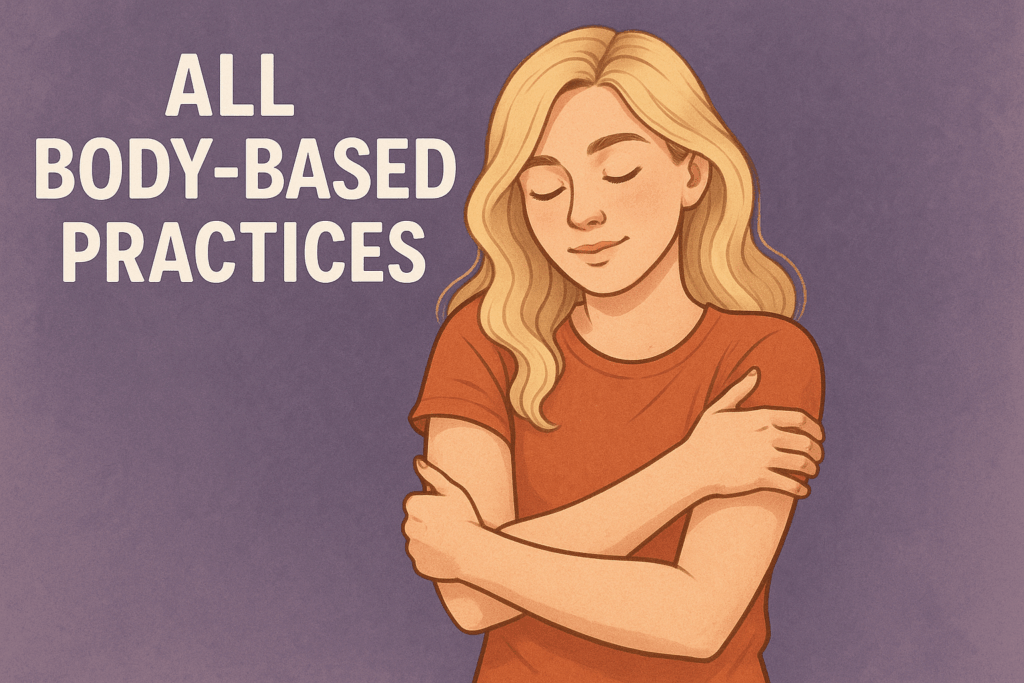
Your body is a reliable entry point to calm and clarity. Body‑based practices help regulate the nervous system, reduce anxiety and stress, and strengthen interoceptive awareness—the sense of what’s happening inside. Explore somatic techniques and grounding exercises for anxiety and panic that you can adapt to your needs, energy level, and environment. Pair movement with soothing breathwork in our Breathing Exercises for Relaxation, or dive into Deep Relaxation Techniques for a longer, full‑body unwind.
Mental health exercises and practices
Explore approaches that use posture, grounding exercises for anxiety and panic, and gentle movement to settle arousal; slow, rhythmic pacing to steady attention; progressive muscle relaxation (PMR) and body scan meditation to release tension and improve sleep; mindful walking for stress relief and balance work to organize the senses; and soothing touch or self‑massage for relaxation to signal safety. You’ll find clear step‑by‑step guidance, timing suggestions, and options for sitting, standing, or lying down, with ways to scale intensity and duration. Each practice invites you to notice cues of comfort and strain, integrate breath without forcing it, and translate skills into daily life—brief resets during the day, transitions after stressful moments, or evening wind‑downs that prepare you for rest. The aim is not to push harder, but to move within your window of tolerance with trauma‑informed care and rebuild a felt sense of stability and agency.
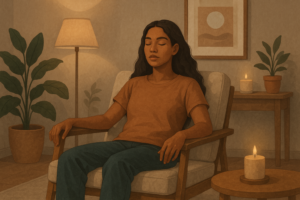
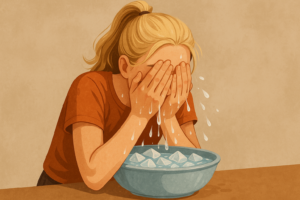
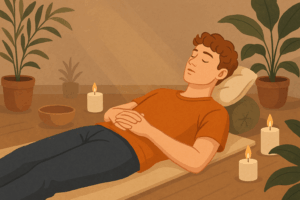
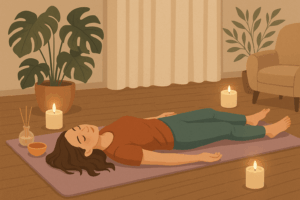
Start where you are and keep movements comfortable and pain‑free. Stay curious, move slowly, and pause if you feel pain, dizziness, or emotional overwhelm; return to natural breathing and try again later or choose a gentler option. Even a few minutes can calm anxiety and relieve stress, and regular practice supports nervous system regulation, focus, sleep quality, and overall resilience. Adapt exercises to your body and context, and consult a qualified healthcare or mental health professional if you have injuries, medical conditions, are pregnant, or experience persistent distress.
Other exercises and practics category
- Anxiety Relief: How to Calm Anxiety and Regain Control
- Body-Based Practices for Anxiety and Stress Relief
- Breathing Exercises for Anxiety and Stress Relief
- Breathing Exercises for Relaxation: Calm Anxiety and Reduce Stress
- Build Self‑Esteem: How to Improve Self‑Esteem and Confidence
- Deep Relaxation Techniques: Calm the Nervous System and Improve Sleep
- Emotional Intelligence Skills: Manage Emotions, Communicate, Build Empathy
- Intrusive Thoughts & Rumination: How to Stop Overthinking and Unhook from Loops
- Mindful Actions: How to Act with Intention and Reduce Reactivity
- Panic Attack Relief: How to Stop a Panic Attack Safely
- Resilience & Resources
- Self-Discovery: How to Clarify Values, Strengths, and Life Direction
- Self-Observation: How to Build Self-Awareness and Reduce Reactivity
- Stress and Emotion Management: How to Regulate Emotions and Reduce Stress
- Stress Awareness Exercises: How to Recognize Early Signs and Triggers
- Stress Relief: How to Reduce Stress and Restore Calm
- Therapeutic Art Exercises: Art-Based Activities for Stress Relief and Emotional Regulation