About this practice
Safe Place Visualization is a gentle, evidence-informed practice that uses mental imagery and sensory detail to reduce stress and restore a sense of security. Research on guided imagery and mindfulness-based approaches shows that creating vivid, calming scenes can lower physiological arousal, support emotion regulation, and increase feelings of safety by engaging the parasympathetic nervous system. This practice invites you to imagine a personal haven—real or imagined—then anchor it with breath and sensory cues so you can return to it whenever you need steadiness.
Preparation
Choose a comfortable position—seated or lying down—with a relaxed, upright posture if sitting. Soften your shoulders and jaw. Let your breath be natural. If you prefer, close your eyes; otherwise, keep a soft gaze.
Instructions
- Arrive in the body. Notice contact points with the chair or floor and the gentle rise and fall of your breath. Let your exhale be slightly longer than your inhale for a few cycles.
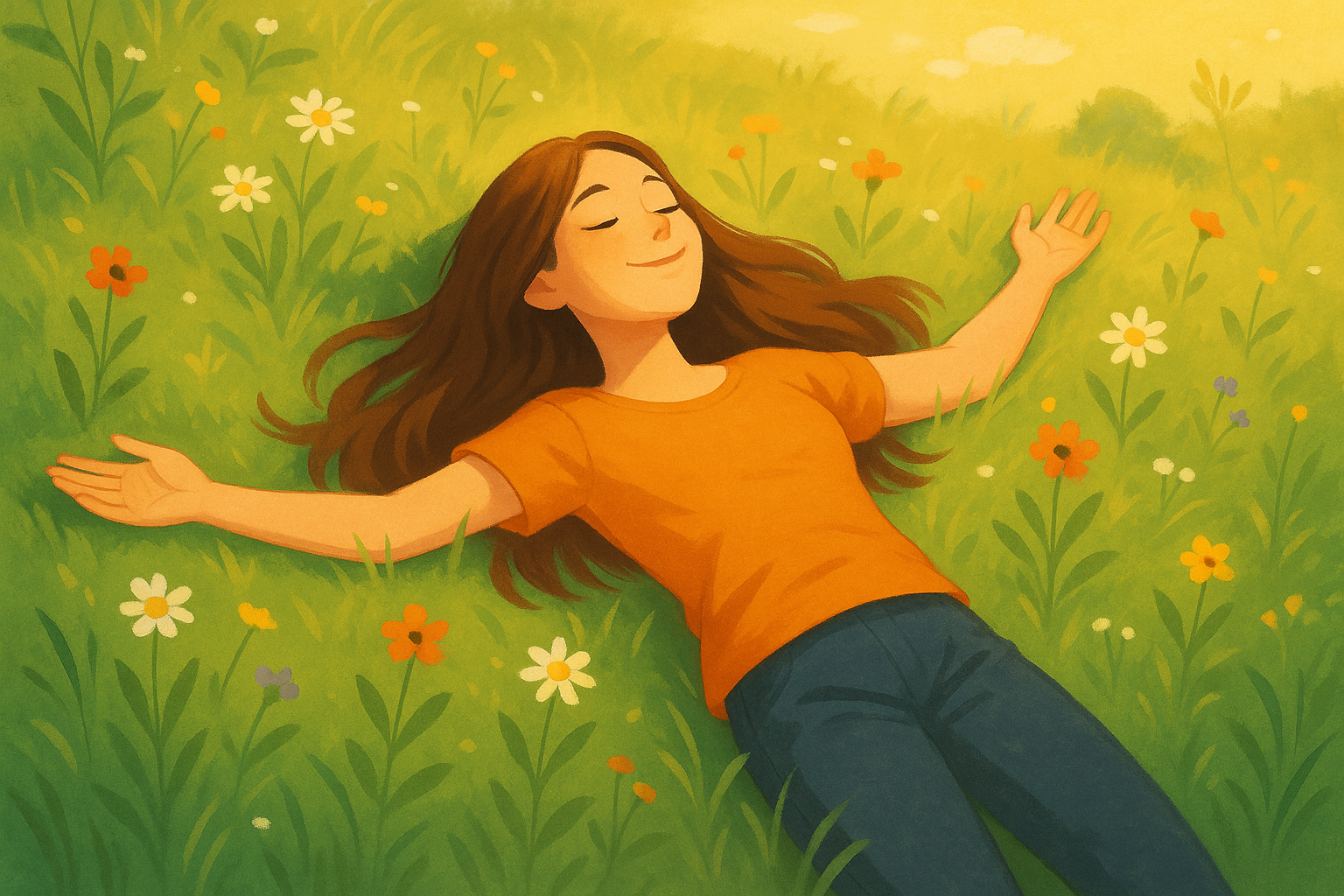
- Create your place. Imagine a location where you feel calm and safe—perhaps a favorite natural spot, a cozy room, or a completely new scene. There’s nothing to fix or perform here; this space exists to support you.
- See the details. Bring the scene into focus: colors, shapes, light and shadow, distance and closeness. Look left and right, near and far. Let the image be steady and unhurried.
- Add the senses. Listen for gentle sounds (wind, birds, soft music), feel the temperature and texture under your feet or hands, notice any natural scents. If helpful, imagine a soft blanket, warm sunlight, or a soothing breeze.
- Anchor with breath and words. As you inhale, take in the safety of this place; as you exhale, allow your body to settle. Quietly repeat a simple phrase such as “Safe enough right now” or “I can rest here.”
- Set supportive boundaries. If worries arise, imagine a door, curtain, or boundary that stays closed while you’re here. You can leave messages or concerns outside and return to them later.
- Create a cue. Choose a small cue you can use in daily life to return here—a word (e.g., “harbor”), a visual detail (a color or object), or a gentle gesture (hand on heart). Link it with one slow breath.
- Return and reflect. After a few minutes, let the image fade slightly and feel the room again. Open your eyes if closed. Notice three things you can see and one thing you can hear. Name your state in a word or two before moving on.
Practice with Care
If imagery feels difficult or activating, keep eyes open, focus on simple details (color, temperature, posture), or use external grounding (feet on floor, objects in the room). Those with trauma histories may prefer brief, guided versions and a place that is quiet and unpopulated; consider practicing with a trained clinician if strong reactions arise. This practice supports, but does not replace, professional care. With regular use—even 3–10 minutes—you can build a reliable inner refuge to ease anxiety, stabilize emotions, and return to what matters.